
Chili Peppers, Heart Attack, and Stroke

What you eat influences the metabolism of every cell in the body. According to the World Health Organization, proteins, carbohydrates, fats, vitamins, minerals, about 30+ micronutrients and water must be consumed regularly to support growth, immunity, and wellness. How easy is it to obtain needed nutrients in a timely fashion in the modern age?
The primary focus of modern food marketing appears to be on calories and sugar. But nutrition is more than that. Eating sends chemical signals that affect hormones, inflammation, blood flow, immune function, and metabolism.
This is why nature packed whole foods with nutrients:
- To support healing
- Reduce inflammatory stress
- Support blood vessel flexibility
- Improve metabolic balance
That might sound surprising, but it highlights something important: food is not just about weight. It affects metabolism, and long-term health. This is why focusing only on weight misses the bigger picture. The same food choices that stabilize weight also protect the heart, brain, and blood vessels.
While some studies suggest that organic and traditionally farmed produce often has 18–69% higher levels of antioxidant compounds, including flavonoids, carotenoids, and phenolic acids, these patterns appear to arise from a combination of biological, environmental, and management-related factors that cause differences in concentration of nutrients among different or even the same crops.
The overall nutritional superiority of even organic foods cannot be generalized and must be interpreted within the context of crop type, environment, and specific management practices.
So, what can we do to supplement nutrient intake?
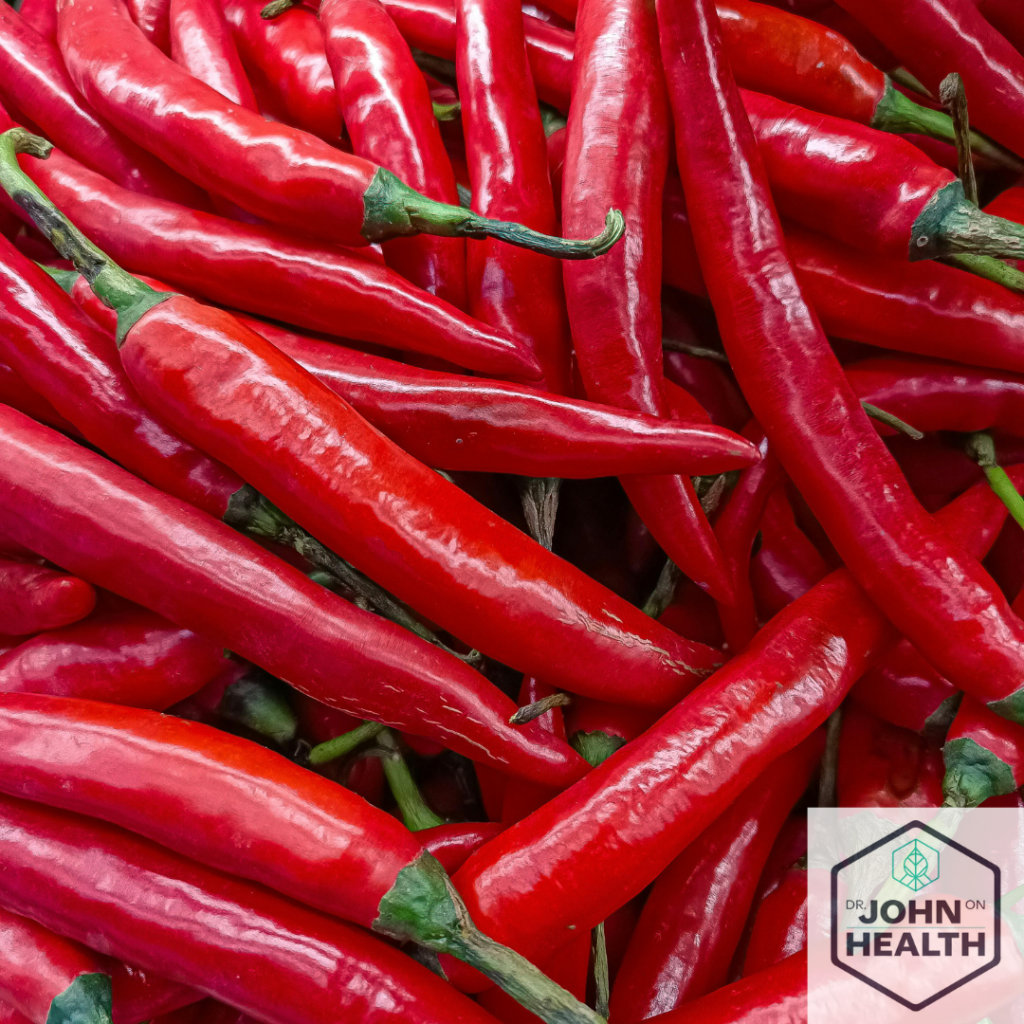
The short answer is herbs and spices. For example, did you know that cultures that regularly eat chili peppers have lower rates of heart attack and stroke?
Chili peppers contain capsaicin, the compound that makes them spicy. Capsaicin has been shown to reduce inflammation, improve blood vessel function, and support healthier circulation. These effects lower the risk of heart disease and stroke.
Inflammation is associated with many chronic diseases—heart disease, stroke, diabetes, arthritis, dementia, and more. What if you can use every day food to calms it.
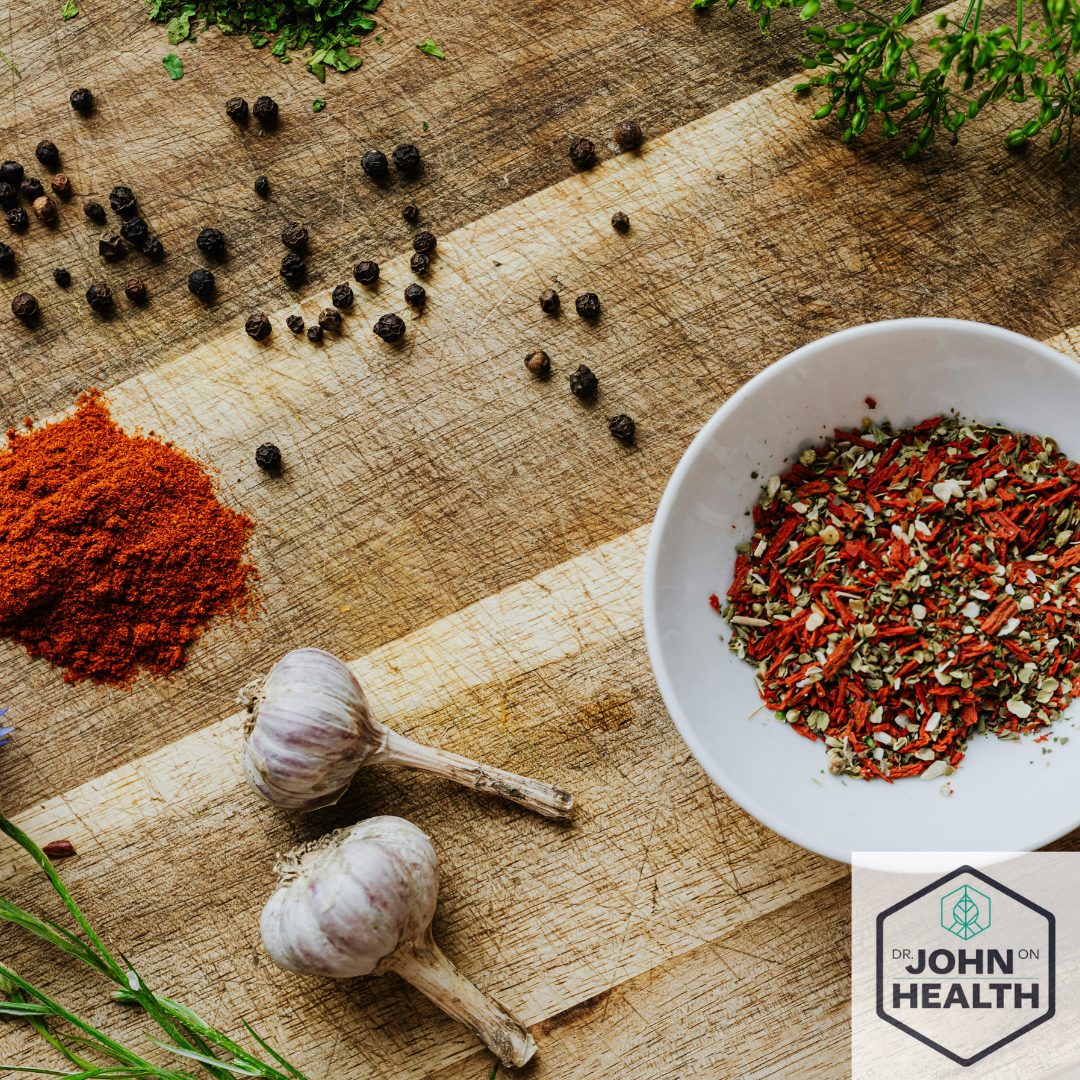
Spices like chili peppers are just one example. Garlic supports circulation and immune function. Turmeric calms inflammation. Ginger supports digestion and blood flow. Herbs, vegetables, fruits, and healthy fats all contain compounds that quietly protect the body over time.
On the other hand, processed foods do the opposite. They:
- Raise inflammation
- Disrupt blood sugar
- Stress blood vessels
- Promote insulin overload
Processed foods are primarily designed for shelf life, taste, and profit—not for human biology. The process often strips away protective compounds and replace them with refined starch, sugar, salt, and oils that stress the body.
Food is not just fuel. It is medicine—or poison—depending on what you choose.
When people eat real food, they often notice more than weight changes. Blood pressure improves. Cholesterol patterns shift. Inflammation markers drop. Energy improves. Digestion becomes easier. Mood stabilizes.
These are not accidents. They are biological responses to better signals.
In Beat Unwanted Weight Gain, I explain how choosing real food does more than help you maintain your authentic weight. It changes your entire health trajectory.
When you eat to nourish, you are not just managing weight—you are protecting your wellness and future.
You are shaping how your blood vessels age, how your heart works, how your brain functions, and how your immune system responds.
Every meal is a message. It tells your body whether to inflame or heal, to store or burn, to struggle or stabilize. Consider each bite of food as a step towards wellness or illness.
That is the real power of food.
Next in the series:
The Fatty Acid Burn Switch and the Glucose Cycle
John Poothullil practiced medicine as a pediatrician and allergist for more than 30 years, with 27 of those years in the state of Texas. He received his medical degree from the University of Kerala, India in 1968, after which he did two years of medical residency in Washington, DC and Phoenix, AZ and two years of fellowship, one in Milwaukee, Wisconsin and the other in Ontario, Canada. He began his practice in 1974 and retired in 2008. He holds certifications from the American Board of Pediatrics, The American Board of Allergy & Immunology, and the Canadian Board of Pediatrics.During his medical practice, John became interested in understanding the causes of and interconnections between hunger, satiation, and weight gain. His interest turned into a passion and a multi-decade personal study and research project that led him to read many medical journal articles, medical textbooks, and other scholarly works in biology, biochemistry, physiology, endocrinology, and cellular metabolic functions. This eventually guided Dr. Poothullil to investigate the theory of insulin resistance as it relates to diabetes. Recognizing that this theory was illogical, he spent a few years rethinking the biology behind high blood sugar and finally developed the fatty acid burn switch as the real cause of diabetes.Dr. Poothullil has written articles on hunger and satiation, weight loss, diabetes, and the senses of taste and smell. His articles have been published in medical journals such as Physiology and Behavior, Neuroscience and Biobehavioral Reviews, Journal of Women’s Health, Journal of Applied Research, Nutrition, and Nutritional Neuroscience. His work has been quoted in Woman’s Day, Fitness, Red Book and Woman’s World.Dr. Poothullil resides in Portland, OR and is available for phone and live interviews.To learn more buy the books at: amazon.com/author/drjohnpoothullil
Visit drjohnonhealth.com to learn more. You can also contact him at john@drhohnonhealth.com.
Or follow us on:
Instagram: instagram.com/DrJohnOnHealth
Facebook: facebook.com/JohnOnHealth
Youtube : @DrJohnPoothullil
For more great health and lifestyle content, see here.
Explore more insights at https://usadailystandard.com/.
There is no ads to display, Please add some

 Life of an (Independent) Author – Part 5 – Publishing a Book!
  Can a Man Change a Marriage by Himself?
  Why Sugar Is So Hard To Quit (It’s Not About Willpower)
  The Busiest Department in the Hospital Was Never on the Map
  The Coaches Corner History of Culture Scholar 501(c)(3) Part I
  A Real Shift in Nutrition Policy — And Why It Gives Me Hope
  How AI Can Save Your Team 10+ Hours per Week